

Among the many high-intensity sweeteners available on the global market today, sodium saccharin has long held an irreplaceable position. Its enduring presence is not accidental but rather the result of one outstanding advantage: cost-effectiveness. For decades, manufacturers across industries have turned to this trusted compound as their go-to solution for achieving high-intensity sweetness without breaking the bank. In an era where every cent of production cost matters, saccharin sodium continues to prove its value, especially when sourced from a reliable sodium saccharin supplier who ensures consistent quality and supply.

First and foremost, when considering both sweetness intensity and overall cost, sodium saccharin stands out as a clear winner. It is approximately 300 to 500 times sweeter than sucrose, yet its price is significantly lower than that of sucrose and many other newer sweeteners. This dramatic difference means that in order to achieve the same level of sweetness in a finished product, manufacturers need only a fraction of the ingredient cost compared to using sugar. Even when compared to other common high-potency sweeteners such as aspartame and sucralose, saccharin sodium remains far more economical. For low-margin industries such as mass-market food production, beverages, animal feed, and even electroplating, this cost advantage is not just a minor benefit - it is often the deciding factor. A trusted sodium saccharin manufacturer can help buyers secure the best balance of price and purity, ensuring that the end product remains competitive without sacrificing sweetness performance. That is why many food engineers and procurement managers continue to rely on saccharin, even as newer alternatives emerge.

Second, saccharine offers excellent chemical stability, a feature that is often overlooked until a production process demands it. Unlike some natural or novel sweeteners that degrade under heat or extreme pH conditions, saccharin remains remarkably stable. It is resistant to high temperatures, strong acids, and alkalis, and does not readily decompose during high-temperature processing or long-term storage. This means that its sweetness profile stays consistent from production line to shelf. For applications that involve baking, canning, or the creation of sauces and condiments - all of which may expose ingredients to harsh environments - saccharin's robustness is a major asset. It is also widely used in electroplating additives, where chemical stability is paramount. When a product comes from a professional saccharin factory, buyers can expect not only cost savings but also batch-to-batch consistency in terms of stability and sweetness intensity. This reliability further strengthens saccharin's position in both food and industrial sectors.

Furthermore, saccharin is not metabolized by the human body and provides zero calories, making it a suitable choice for people with diabetes and those actively managing their sugar intake. In an age of rising obesity and metabolic disorders, sugar reduction has become a global health priority. Saccharin allows food and beverage manufacturers to offer sweet-tasting products without the caloric burden of sugar. Admittedly, saccharin does have a slight metallic bitter aftertaste, which has been its most cited drawback over the years. However, this limitation can be effectively masked by blending it with other sweeteners such as aspartame, acesulfame-K, or cyclamate. Through careful formulation, manufacturers can achieve a flavor profile very close to that of sugar while maintaining their low-cost structure. This is where working with an experienced sweetener provider becomes particularly valuable. A good provider understands the synergy between different sweeteners and can advise on blending ratios that minimize off-notes and maximize consumer acceptance. For many mid-tier product lines, such blended solutions offer the perfect intersection of taste, safety, and affordability.

Of course, saccharin sodium is not without its challenges. As consumer preference shifts toward "natural" ingredients and "clean label" products, and as newer sweeteners such as sucralose and stevioside continue to decline in price, saccharin sodium has come under increasing pressure in the mid-to-high-end market segments. Many premium-brand food and beverage companies now prefer to highlight the use of stevia or monk fruit extract on their packaging, even at a higher cost. Therefore, saccharin is rarely the first choice for luxury or premium products. However, from a global perspective - particularly in developing countries, industrial applications, and mass-market consumer goods where cost sensitivity remains extremely high - saccharin is still the indispensable first choice. In regions where price determines market access, no other high-intensity sweetener can match saccharin's combination of low cost, stable supply, and reliable performance. A well-established saccharin factory continues to run at high capacity precisely because demand from these sectors remains strong and steady.
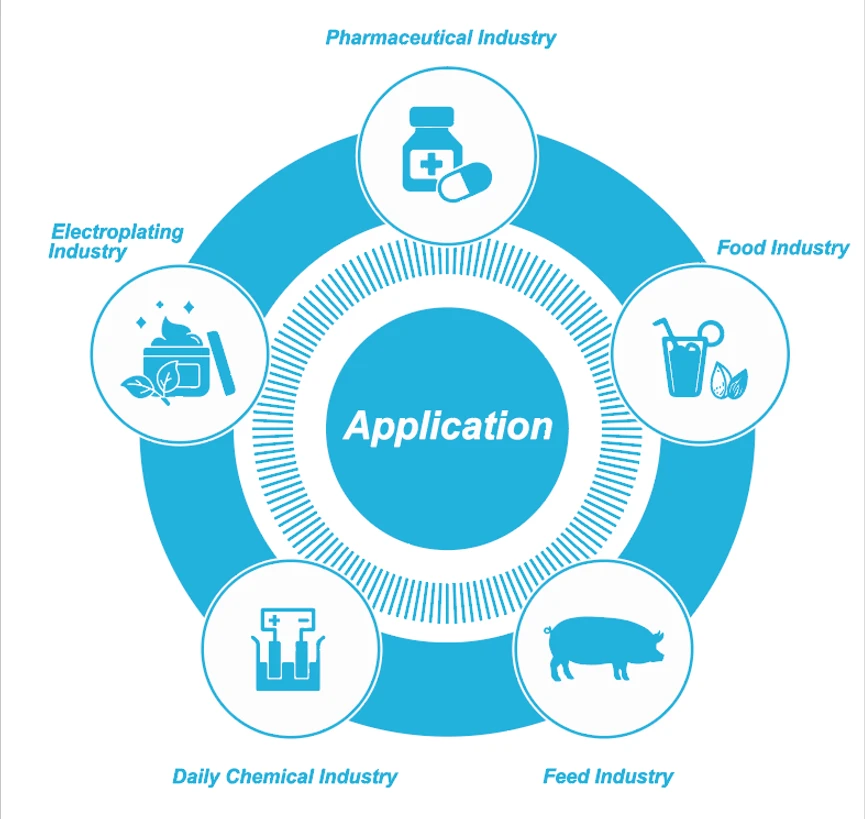
In conclusion, sodium saccharin, with its extremely low cost, stable chemical properties, and broad applicability, remains the most cost-effective high-intensity sweetener available on the market today. It may not carry the "natural" label that some consumers now look for, nor does it command the premium price of newer alternatives. But in a world that is striving for sugar reduction while simultaneously balancing production costs, saccharin's value is far from exhausted. Whether you are a procurement officer looking for a dependable sodium saccharin supplier, a product developer seeking a stable and economical sweetening solution, or a factory manager in need of consistent quality from a saccharin factory, saccharin sodium continues to deliver. And when you work with a professional sweetener provider, you can ensure that the saccharin you receive meets all safety, purity, and performance standards. In the end, smart formulation is not about choosing the most expensive ingredient - it is about choosing the right one. And for countless applications across the globe, sodium saccharin remains exactly that: the right choice.